BLOG
United States: EPA Adds New PFAS to TRI Reporting List
- #EHS
- #Environmental Protection Agency (EPA)
- #PFAS
- #Waste management
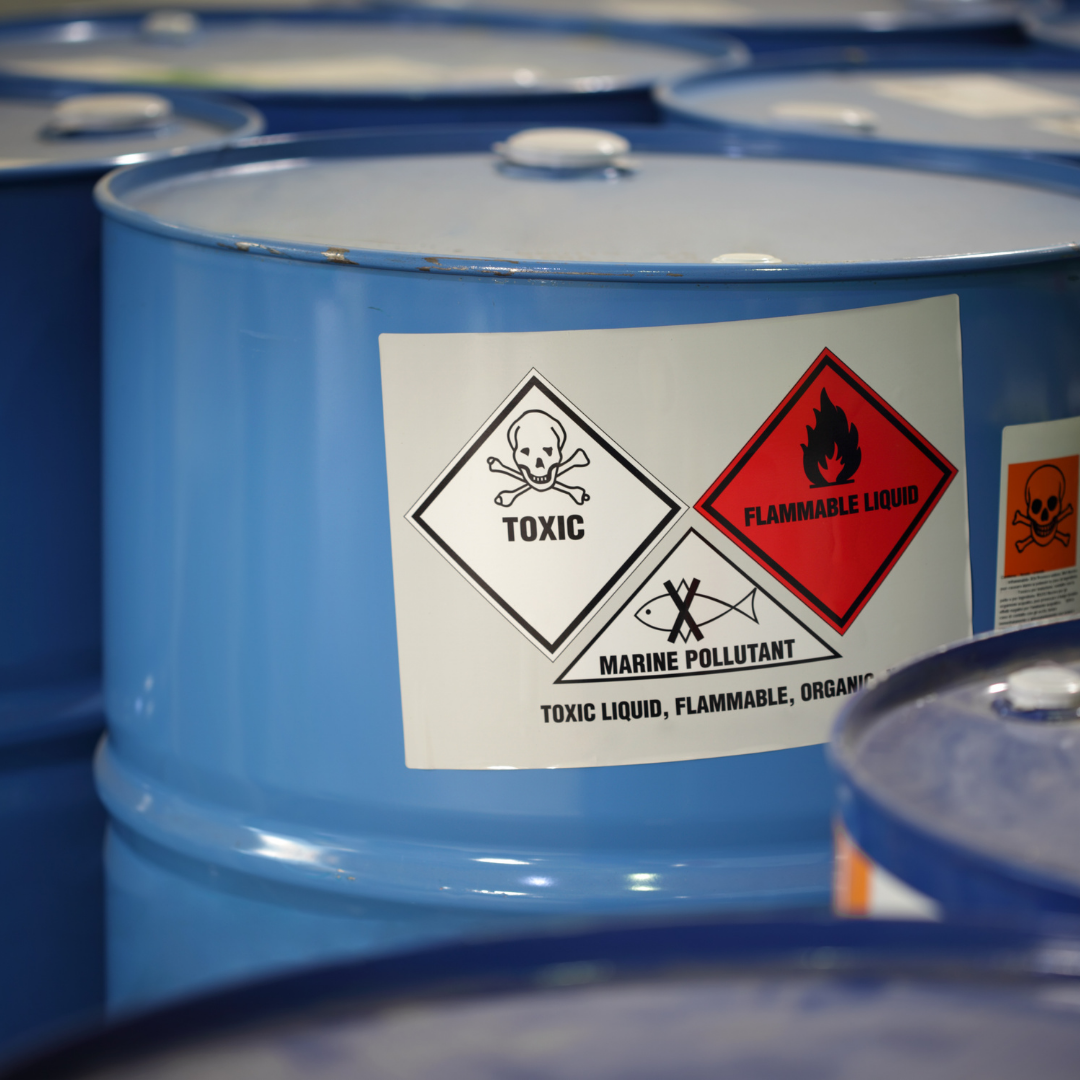
As of March 3, 2026, the U.S. Environmental Protection Agency updates the list of chemicals that require toxic release reporting under federal community right to know and pollution prevention laws.
The Agency adds one perfluoroalkyl substance (PFAS) to the Toxic Release Inventory (TRI) list, as required by a federal law adopted on December 20, 2019.
Facilities in manufacturing, processing, or other industrial sectors that handle this substance above reporting thresholds must now include it in their annual TRI reports.
The change aligns the reporting rules with a binding federal mandate and does not go through public notice and comment.
Businesses that use or manage PFAS must review their operations and reporting systems.
On March 3, 2026, the Environmental Protection Agency updates the federal list of chemicals subject to toxic chemical release reporting. The Agency adds one perfluoroalkyl substance (PFAS) to the Toxic Release Inventory list. This update follows a federal law that requires EPA to include certain PFAS in the reporting program.
PFAS are a group of man-made chemicals that resist heat, oil, stains, grease, and water. They are often called “forever chemicals” because they break down very slowly in the environment. The added substance now becomes subject to annual release and waste management reporting if a facility meets the reporting thresholds.
Who is affected
The rule applies to facilities that:
- Operate in covered industry sectors such as manufacturing, metal processing, chemical production, waste management, or similar industrial activities.
- Manufacture, process, or otherwise use the listed PFAS above the applicable quantity thresholds during a calendar year.
- Meet the employee threshold for federal toxic release reporting.
These facilities must evaluate whether their activities with the newly listed PFAS trigger reporting.
What changes
Before this update, facilities did not need to report releases and waste management data for this specific PFAS under the federal toxic release reporting program. Now, they must:
- Track the amount of the substance manufactured, processed, or otherwise used.
- Estimate and report releases to air, water, and land.
- Report quantities recycled, treated, or disposed of.
- Submit this information in their annual Toxic Release Inventory report.
The change does not modify the structure of the reporting program. It expands the list of reportable chemicals by adding one more PFAS.
When it applies
The rule takes effect on March 3, 2026. Facilities must include the newly listed PFAS in reports covering activities that occur during the applicable reporting year after the effective date. Annual reports are typically due the following year.
Why this matters
Congress requires EPA to add certain PFAS to the toxic release reporting list. The goal is to increase transparency about PFAS releases and support pollution prevention. Public access to this data helps communities understand local chemical risks and encourages facilities to reduce releases.
Failure to report when required can lead to civil penalties and enforcement actions by the Environmental Protection Agency.